Market competition. AI. Evolving customer preferences.
The concerns keeping corporate executives awake at night are creating insomnia for nonprofit leaders, too.
But there’s power in community partnership. That’s why, each year, Regions Bank brings a couple hundred nonprofits together under one roof in St. Louis to tackle urgent issues.
The most recent example just wrapped up. Scott Hartwig, who leads the St. Louis market for Regions, is carrying on this tradition that started over a decade ago. And it’s not just talk. A quarter-million dollars in community grants have been awarded by the bank, too.
“The problems are complex, but the purpose is simple,” Hartwig said. “No one organization has all the answers. But, together, we can get pretty close. One nonprofit has experience that can help another. In other cases, Regions Bank has financial guidance that can help an organization grow.”
Regions has definitely been ahead of the curve in terms of encouraging ‘collabor-action’ among many nonprofits.
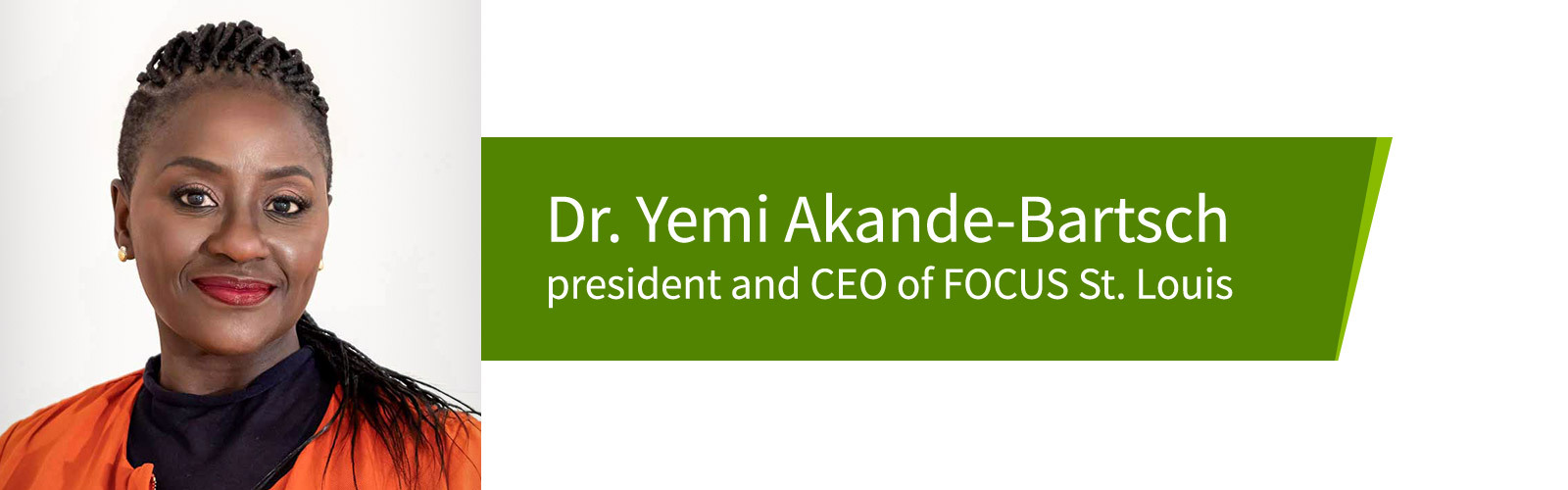 Dr. Yemi Akande-Bartsch sees the results.
“Regions has definitely been ahead of the curve in terms of encouraging ‘collabor-action’ among many nonprofits,” said the president and CEO of FOCUS St. Louis who served as the Community Convening panel moderator. “In some instances, it’s about figuring out ways you can meet the mission of both organizations rather than peeling off, so I want to commend the bank for that.”
Here, we share a few panel highlights discussing the challenges nonprofits are facing and some potential resources to help address them.
Akande-Bartsch: “What are you seeing that’s shaping the future of nonprofits? What should leaders be paying attention to?”
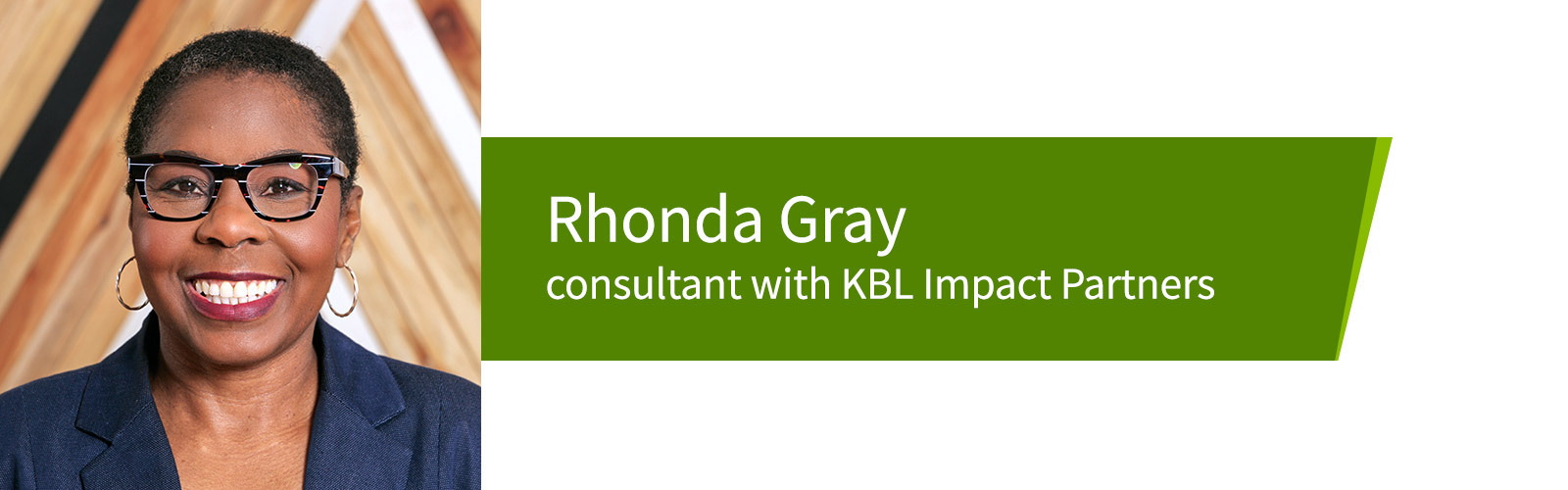
Leveraging AI as a Tool: “AI is obviously the buzzword on everybody’s mind,” said Rhonda Gray, a consultant with KBL Impact Partners. “It presents a wonderful opportunity, but it also requires nonprofits to be very thoughtful and intentional about its practical and ethical uses. AI will revolutionize the way nonprofits work, but we must remember to keep mission at the forefront and not lose the touch that characterizes how nonprofits do their work.”
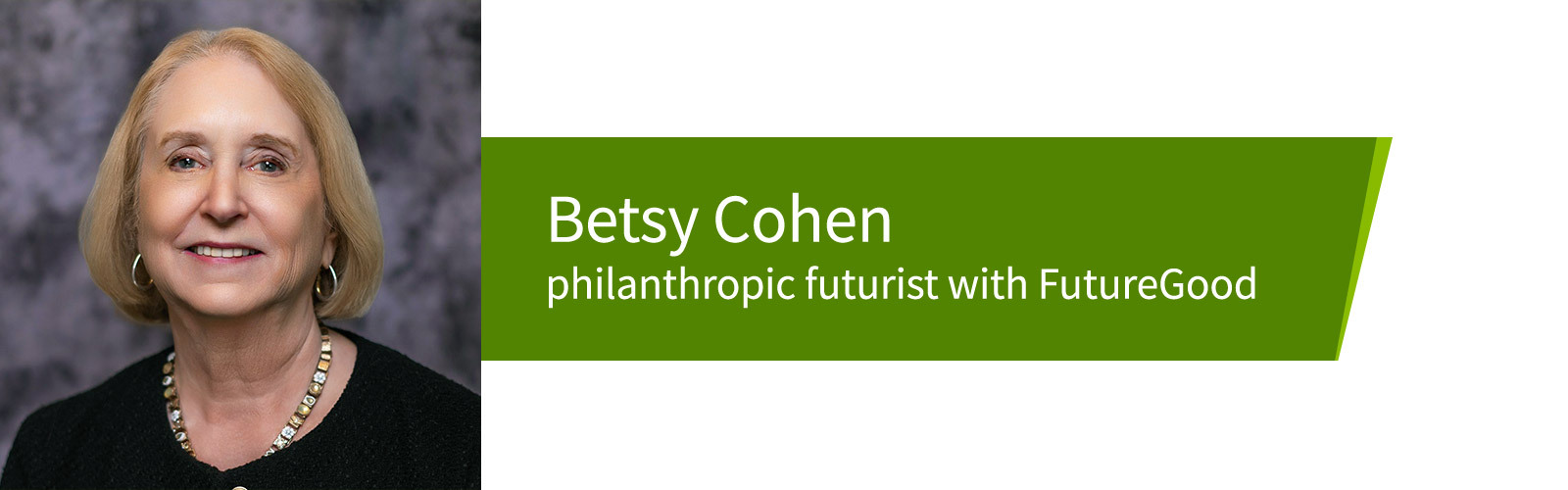
Rethinking Services: “One of the biggest trends I think we’re going to see is more nonprofits shedding some of the services being offered,” said Betsy Cohen, a philanthropic futurist with FutureGood, a national consultancy. “It will be painful, but there’s going to be a reevaluation of what is core and what is something you can no longer do. There may be instances where an organization came up with an idea to better serve the community through a pilot project now having to say, ‘No, this is not in the core of what we do.’
“The upside is this change can also result in opportunities such as the Regions grant because there’s going to be a requirement to share more resources and collaborate.”
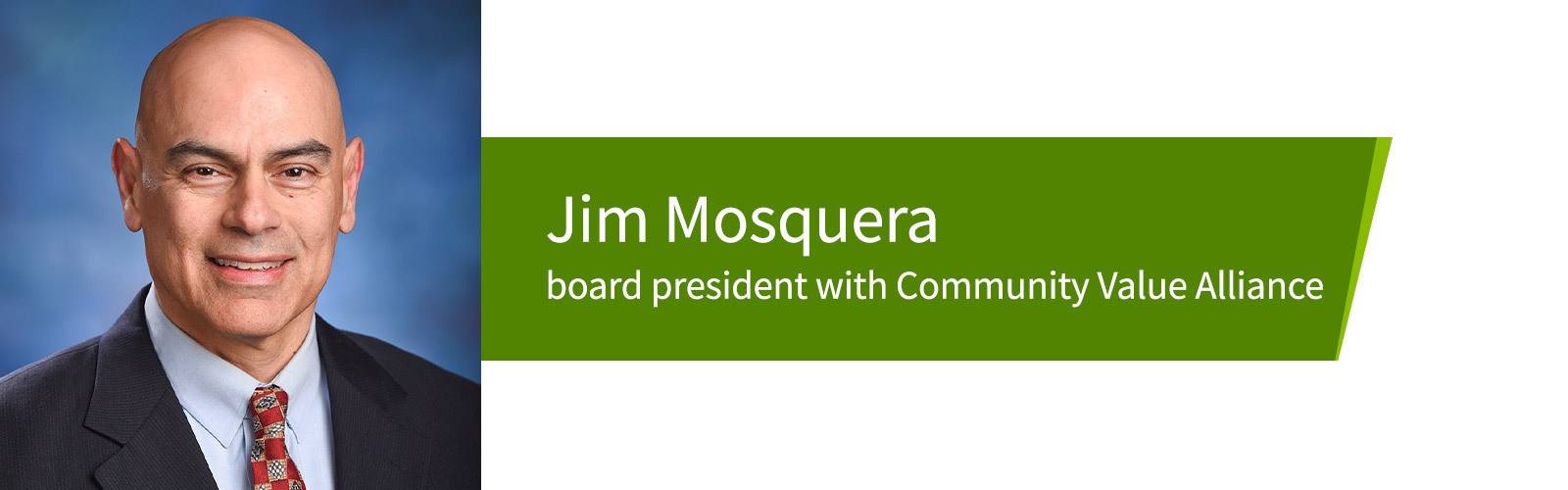
Market Saturation: “There are 23,000 nonprofits in the St. Louis area,” noted Jim Mosquera, board president with Community Value Alliance. “If the question is, ‘Can they be sustained?’ The answer is, ‘Yes.’ But maybe the better question is, ‘Should they?’ What’s the proper size of the nonprofit sector to be relevant?
“We’ve got some headwinds hitting the nonprofit system. As those headwinds intensify, you’ll probably see a smaller number of organizations, an enhanced amount of collaboration or a collapsing of particular nonprofits into other programs.”
Akande-Bartsch: What’s a Takeaway You Have for Nonprofit Leaders?
Rhonda Gray: “Don’t delegate your reputation to AI. Use the tool as a complement and supplement to your work rather than a replacement for what your organization shares,” said Gray. “Think of AI as a board member or an employee in that the same way you have governance standards for your board – the same way you have a handbook and policy manuals for your team, you need to have an AI policy as well.
“We need to ask, ‘What do we need to put in place to make sure we’re protecting the integrity of our data, protecting our donors and protecting ourselves as an organization?’”
Betsy Cohen: “This is a time when understanding what your donors have the potential to do is going to be very important,” said Cohen. “The over 50-year-old donor is typically going to believe in your mission and have more openness to the overall needs you have. Younger donors may want to volunteer first. They want more impact statements, they want smaller projects to fund, and it’s going to take time for them to decide they care about what you do enough for them to give you resources.”
Jim Mosquera: “I would challenge leaders to keep the two-sided business model in mind,” Mosquera said. “If you think about a social media platform as an example, there are users and there are customers. There’s revenue coming in from one side, but the other side is very important as well.
“How does that analogy equate to nonprofits? In nonprofits, there are beneficiaries and donors. And, in both cases, it’s incredibly important to understand who your customer is. A lot of times, nonprofits don’t think of it this way, but adopting a business model approach is critical.”
In Conclusion: Are there challenges? Yes. But when there’s collaboration, solutions can follow. Or, as Regions’ Hartwig put it, “The St. Louis model can work anywhere. Through just a little initiative, even with changes in resources, businesses and nonprofits – plus the people who make up our markets – can come together to do more.”