The first time Regions associate Bryan and his wife heard their son Levi say, “I love you, Mommy,” it stopped them in their tracks.
Five-year-old Levi is a nonspeaking autistic child, which made the words even more unexpected — and deeply meaningful.
“It really did feel like one of those once-in-a-lifetime moments,” Bryan said. “For Levi to go from not saying anything to saying ‘I love you,’ is something I’ll always remember.”
Moments like that give Autism Awareness Month real meaning for Bryan. They’re a reminder of how far Levi has come — and of the therapies and support that have helped him learn to communicate and engage with the world in his own way.
“Levi does not use spoken language to communicate,” Bryan said, “but he understands so much more than people realize.”
“It really did feel like one of those once-in-a-lifetime moments. For Levi to go from not saying anything to saying ‘I love you,’ is something I’ll always remember.Bryan Moore
And Levi has a habit of making that clear. One of Bryan’s favorite stories still makes him laugh. To keep Levi from flipping through channels during family TV time, Bryan hides all the TV remotes. So when the channel suddenly changed one evening — with every remote still hidden — he knew something was up.
“Levi had somehow gotten a smartphone, downloaded a TV app, and changed the channel himself,” Bryan laughed. “No one showed him how to do it. He figured it out completely on his own.”
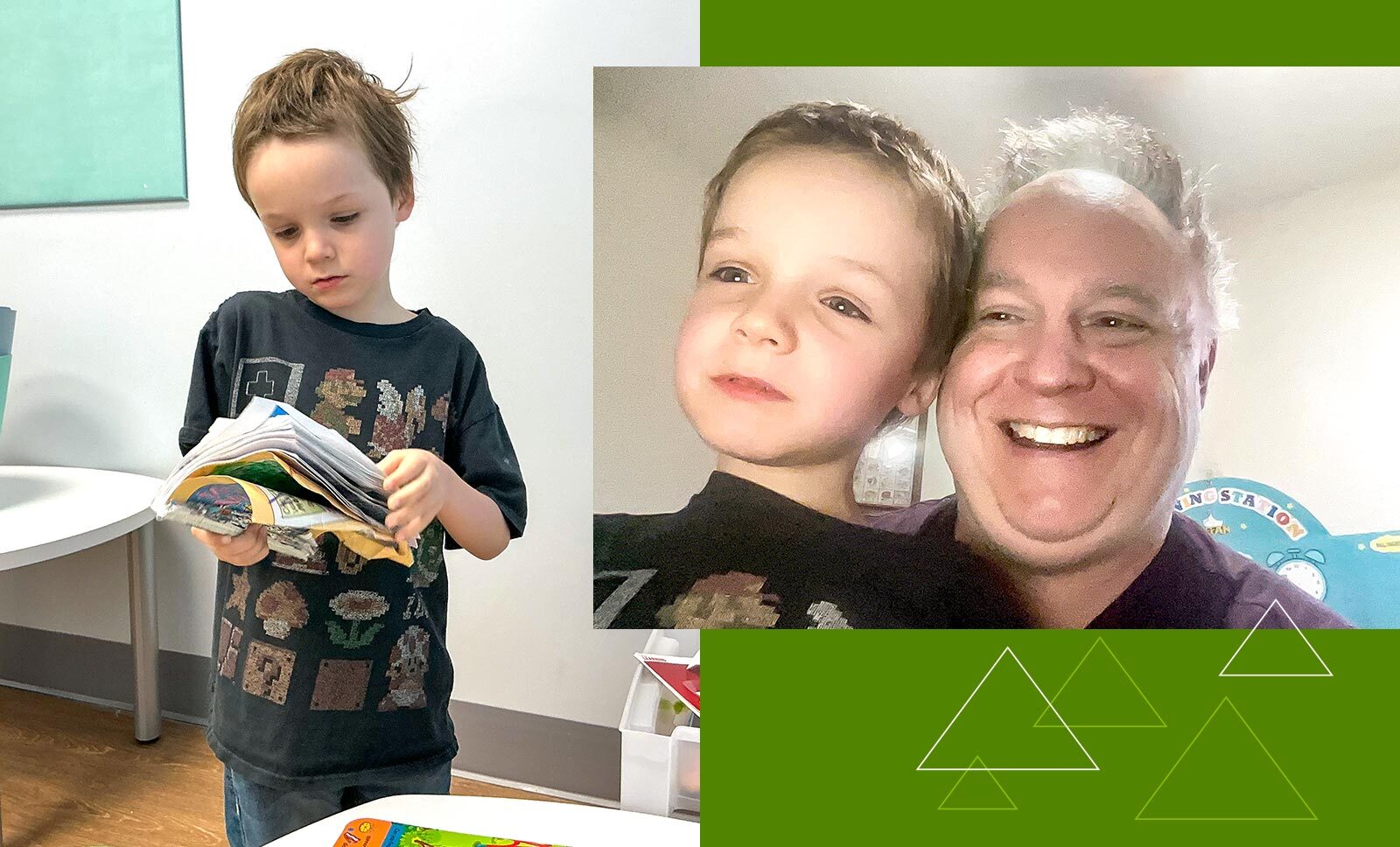
A Diagnosis — and a Sense of Relief
Three-year-old Levi wasn’t talking or asking “why?” like other kids his age, which was concerning his parents. A family friend with experience with nonverbal autism suggested they have him evaluated. This led the family to the answers they’d been searching for.
“It was incredibly eye-opening,” Bryan said. “I remember feeling a lot of relief, and the realization that we’re not alone.”
Levi was diagnosed with nonverbal autism and recommended for Applied Behavior Analysis (ABA) therapy, an early-intervention approach that helps children learn to communicate, manage behaviors and navigate everyday activities. It also helps families better understand their child’s needs and how to respond.
Today, Levi receives one-on-one ABA therapy five days a week, and continuous reinforcement from Bryan and Lisa extends the therapy into round-the-clock learning. The therapy is intensive and costly, but it’s eligible for coverage under the Regions Medical Plan. It has helped Levi turn understanding into verbal expression — and given his family deeper insight into how he experiences the world.
ABA helped us realize he really has been asking ‘why’ all along,” Bryan said. “He’s just been doing it in his own nonverbal way.Bryan Moore
Before therapy, Levi’s meltdowns could feel overwhelming to everyone involved.
“I’d wonder why my kid was having another meltdown,” Bryan said. “But through the therapy, I started to realize that it wasn’t ‘bad behavior.’ Something was disrupting his pattern or expectations.”
That understanding has reshaped how the entire family responds — replacing confusion with empathy and patience.
In addition to Levi saying “I love you,” there have been other meaningful moments since starting ABA therapy: learning to sit calmly at the table, use a spoon, communicate needs without words and tolerate potty training.
“ABA helped us realize he really has been asking ‘why’ all along,” Bryan said. “He’s just been doing it in his own nonverbal way.”
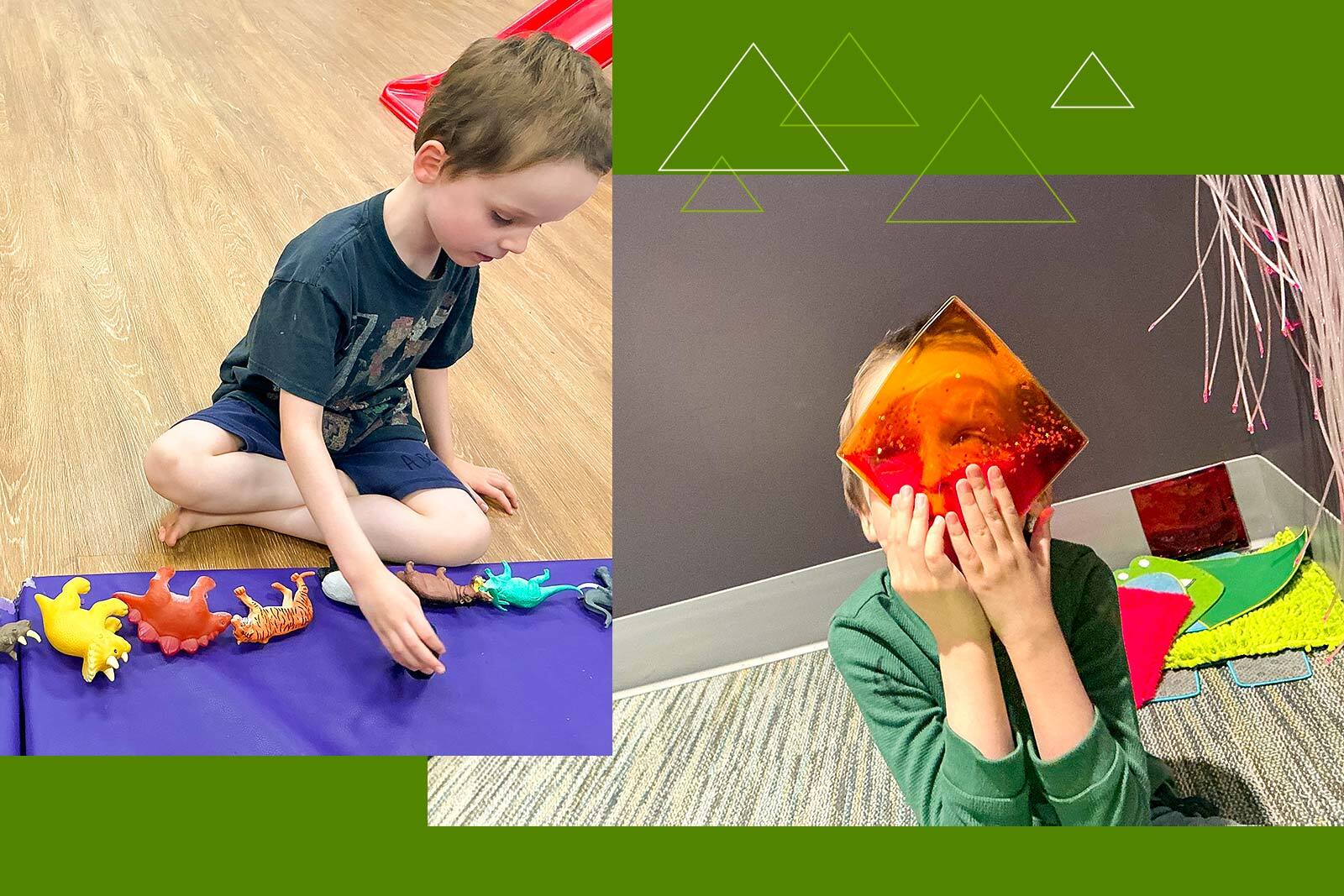
Why Awareness Matters
During Autism Awareness Month, Bryan hopes his family’s story encourages other parents to seek evaluation and early intervention — and to know they’re not alone.
For nonverbal individuals, he says one thing is especially important to remember: “They understand what’s happening around them,” Bryan said. “They just can’t articulate it verbally, and that’s the challenge.”
As he reflects on Levi’s progress and the support that made it possible, two words come to mind.
“Awareness and gratitude,” Bryan said.
During Autism Awareness Month, Bryan’s story is a reminder that early intervention, understanding and meaningful benefits don’t just change outcomes — they change lives.
Wellbeing Benefits
Regions Medical Plans cover Applied Behavioral Analysis therapy* for ages 0-18 for Autism Spectrum Disorders. This may include a licensed care manager who will provide custom tailored support. Details, expert guidance and more are available in this on-demand Autism Resource Program webinar.
*Requires precertification. Please see the Summary Plan Description for more information.