Strike up the band – or, in this case, 13 of them!
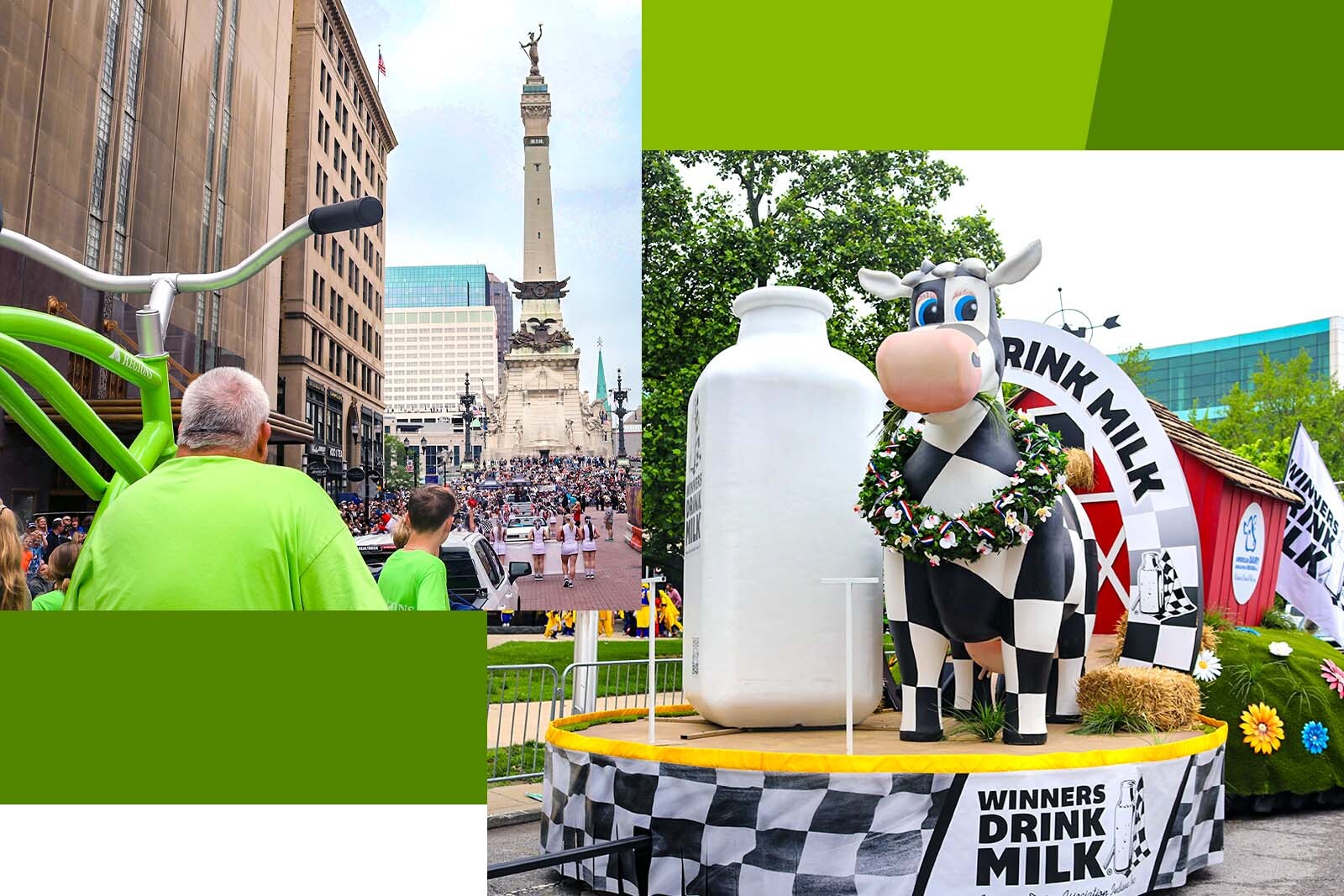
Each Memorial Day weekend, 200,000-plus spectators line the downtown streets of Indianapolis to watch them all proudly march by during the Lucas Oil 500 Festival Parade.
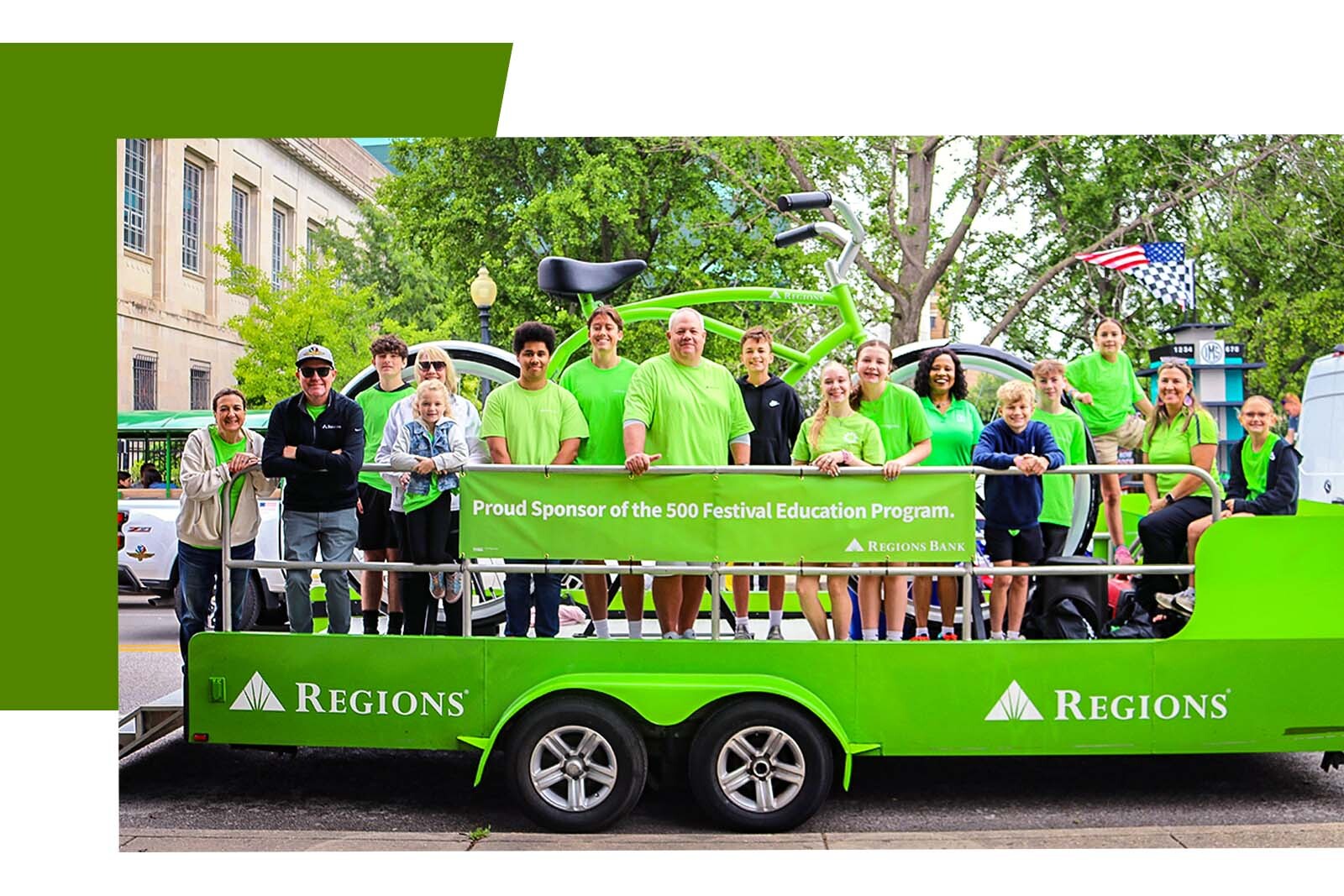
It’s a 70-year tradition produced by the 500 Festival, a nonprofit and Regions Bank customer. Along with those bands, the event also features specialty units, the 33 INDYCAR drivers and up to 30 parade floats – including the Regions Bank Big Bike.
This marked Regions’ fourth appearance in the parade. The bank’s 25-plus year community partnership with the 500 Festival also includes supporting the organization’s Education Program for the past 11 years.
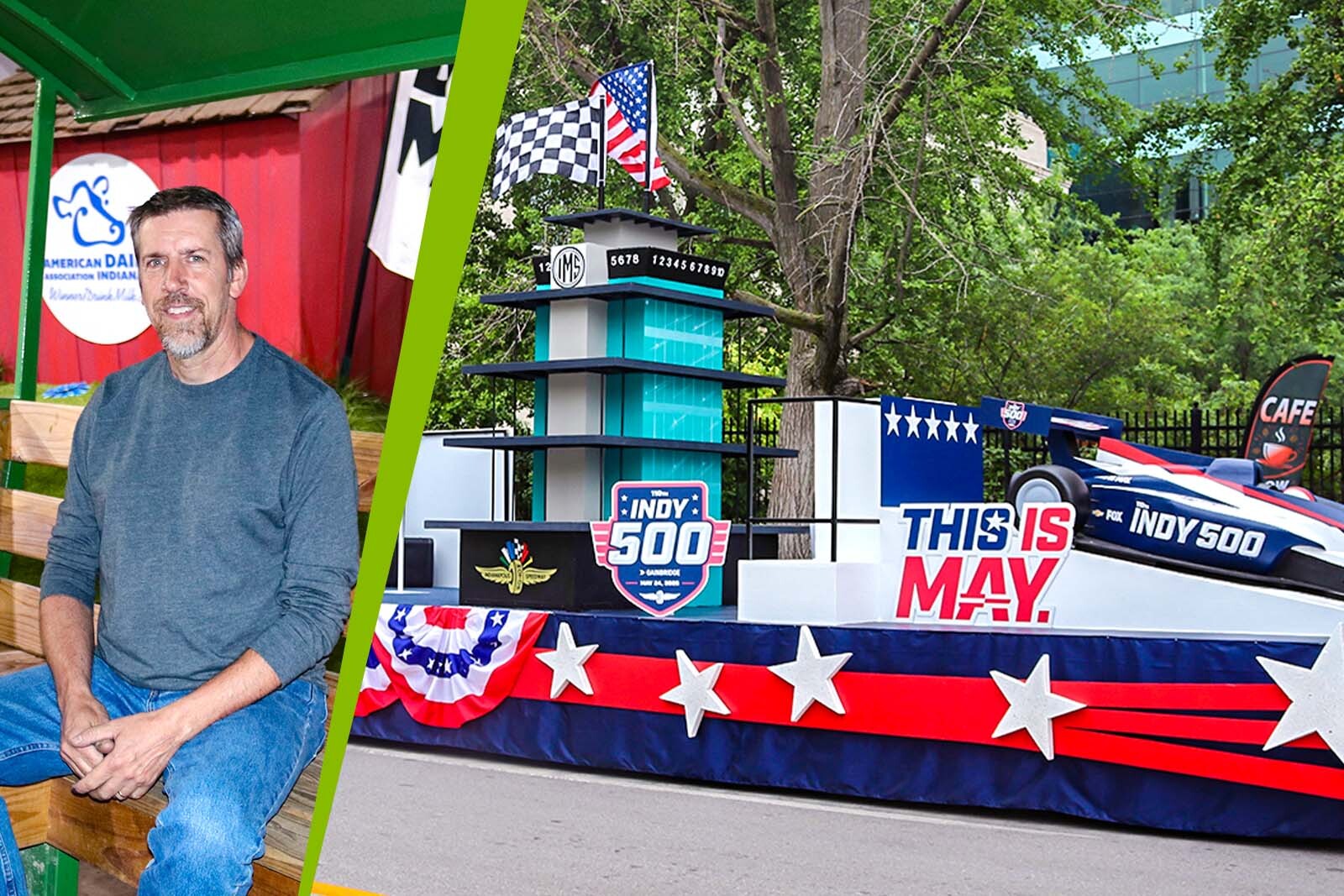
We recently caught up with Tony Boyle, who helps ensure many of those floats not only look festive, but also glide down the streets safely and with no glitches.
Grab a bleacher seat to learn more. We predict you’ll never watch a parade the same way.
You’ve been building floats for 31 years now. How did you begin?
I always say it was a summer job that never quit. I studied 3D Environmental Design through Ball State University’s Art department. We designed restaurants, museums, music stores and more, focusing on creating the atmosphere.
The summer after graduation, I began working with a custom fabrication company specializing in large builds. My first floats were for a 1996 international sports event in Atlanta. I remember thinking, I have no idea what I’m doing. The company owner said, “It’s a hay wagon with some props on it. Go for it.” I guess I made the cut.
Three decades later, you’re still going for it. How many parades have you done?
I’m up to 182. I’ve kept a sheet from the first one I did and have written down every one since. I’ve done parades in multiple states from coast to coast.
Beyond the 500 Festival, I’m also involved with Indy’s St. Patrick’s Day Parade, a holiday parade in Chicago, the National Cherry Blossom Festival Parade, Philadelphia’s annual Independence Day Parade and I’ll be part of this year’s 250th celebration in Philly, too. The past couple years, I’ve been doing 10 to 12 parades a year.
What does the creative process resemble from start to finish for you?
I get weird ideas in my head all the time how I think things are going to work, and then I draw it out on paper. I’ll make a blueprint – the top, side and front views of the float.
My favorite thing is to chalk things out on a concrete floor and begin building the structure from there because I have to do everything in proportion and life-size.
I like chain sawing foam, I’ve done a lot of woodworking, I’ve done lots and lots of steel. I do all the motion, too. Some things turn; some things rotate. I know this has to spin, so we’ve got a whole collection of gear motors, chains and sprockets. I like playing with them to make something out of nothing. It’s trial and error. Most importantly, it’s got to work on parade day.
What does parade day resemble for you and how much help do you have?
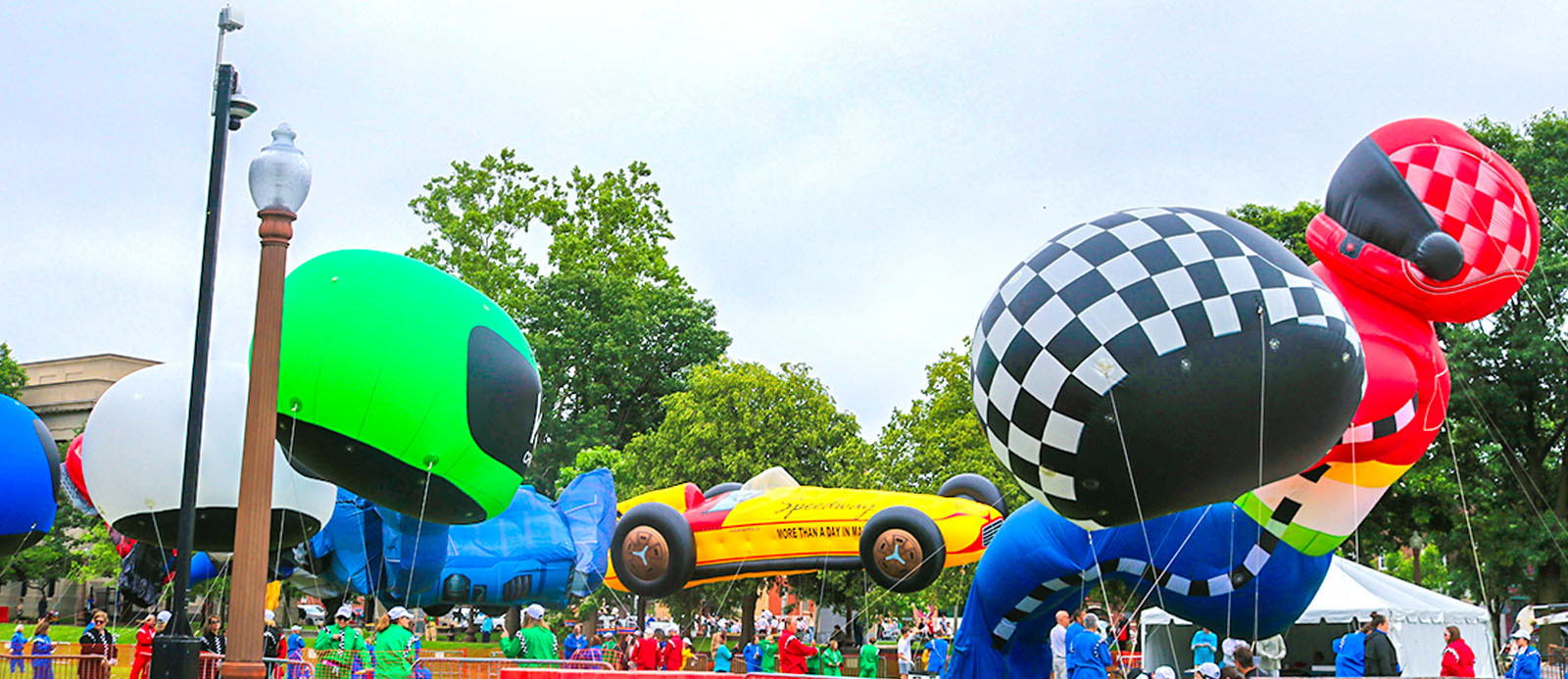
Most of the work is thought out and done long before parade day. We usually arrive at the warehouse at 6 a.m. and are on the route by 7.
Many of the floats are taller than 15 feet, so we assemble them onsite due to power lines and stoplights. It’s puzzle piecing things together. We also test the speakers and generators.
Our crew of four to five people set up and tear down everything. My family helps every year, too.
I hire 21 parade day drivers. The floats range from 12 to 15 feet wide and some of them are 40-feet long. Drivers have to pay attention to tree branches, pay attention to the middle of the road. Sometimes, people will say, “I’ve pulled a trailer before.” They have, but they’ve likely never pulled a 15-foot-wide by 40-foot-long trailer. We have a loyal crew who’s figured it out. They want to come back and do it again. They always answer the call.
You mentioned other parades you do around the country. What do you think makes this one special?
I go to a lot of parades where they vary back and forth between a float and a band, a float and a band. This parade has a lot of bands, but they also have a lot of specialty units. It’s a tight parade, and it’s always themed to the race. How all of that is tied together is great.