When floods struck Waverly, Tennessee, in August 2021, the damage was swift and devastating. Homes were destroyed, neighborhoods were disrupted, and dozens of local families lost access to safe, affordable housing.
Among the widespread property damage throughout the community, 62 residential units managed by the Waverly Housing Authority were declared unsafe and uninhabitable.
For this rural Humphreys County community, disaster recovery wasn’t a matter of repairs. Instead, it required a ground-up, long-term solution to protect residents from future flood risks. In turn, that meant restoring stability to those families who endured terrible loss.
That solution is now taking shape through Cherry Hill Apartments, a new affordable housing development made possible with support from Regions Affordable Housing, which served as both equity investor and construction lender for the development. Regions also invested Low‑Income Housing Tax Credit (LIHTC) equity in the development, building on the bank’s extensive experience structuring LIHTC investments to support developments across the country.
Rehousing Families Displaced by the 2021 Floods
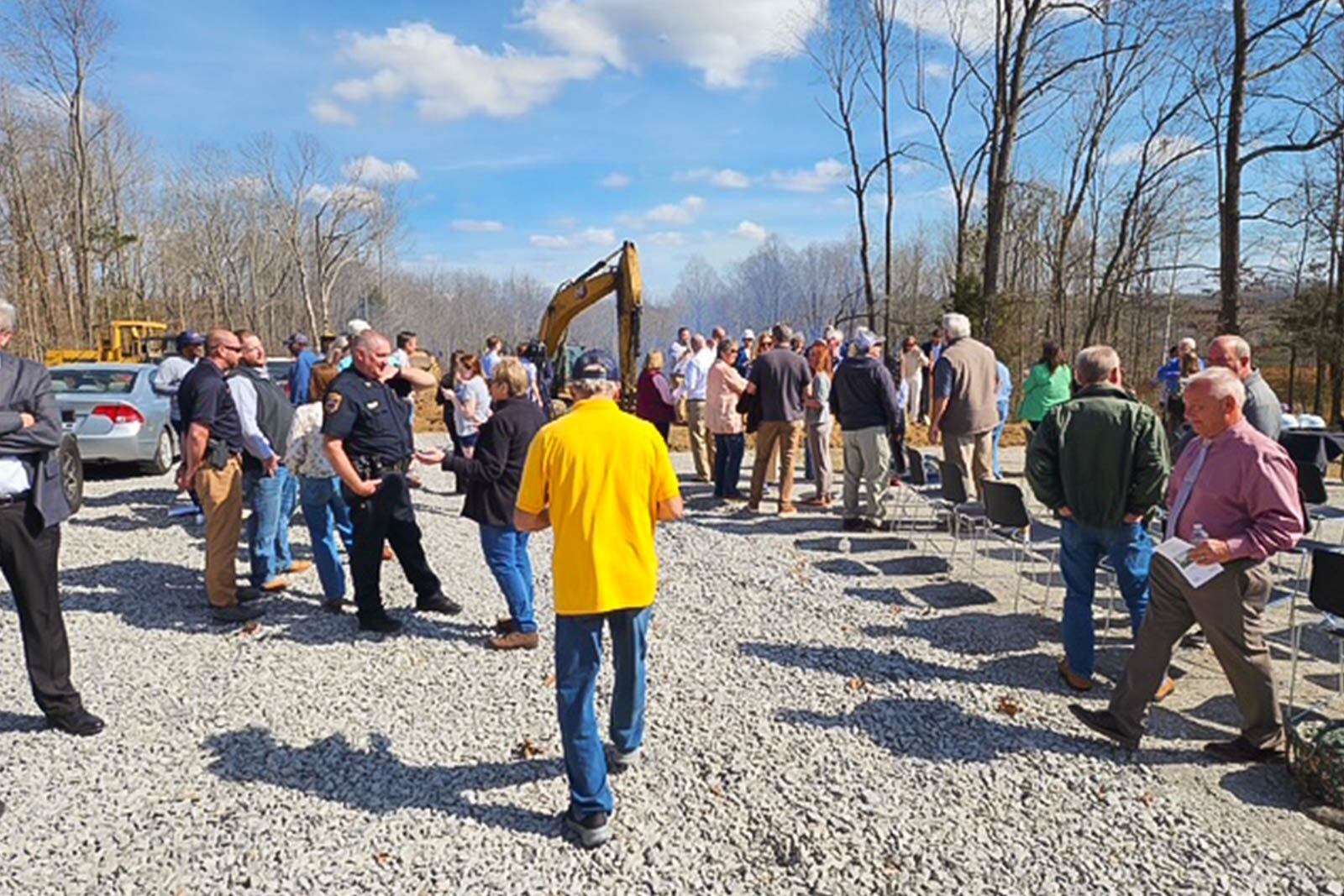
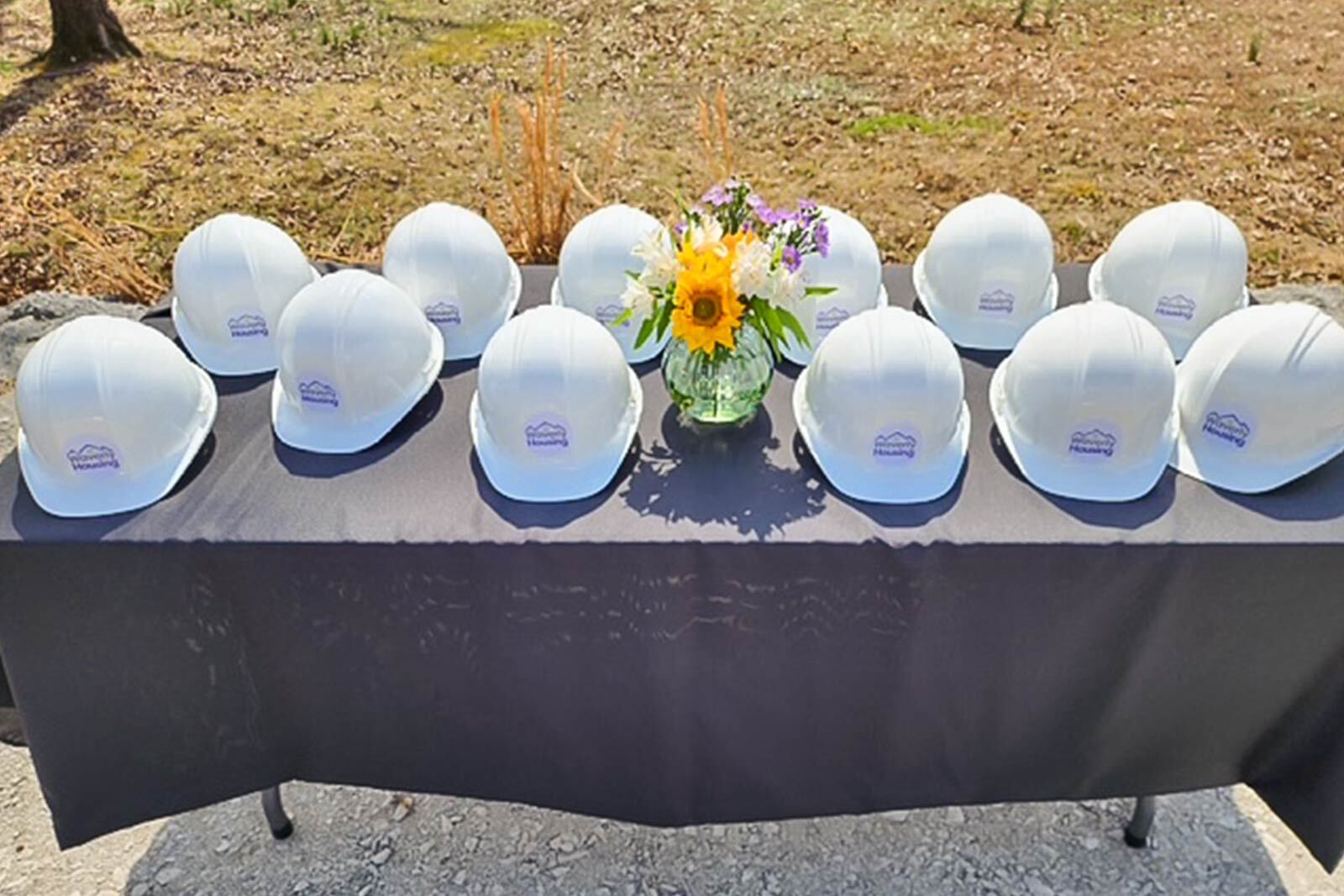
Now underway, Cherry Hill Apartments are being built specifically to rehouse those residents displaced by the 2021 floods. When complete, 62 new apartment homes across 16 townhome and garden-style buildings will replace housing that was lost–while restoring the Waverly community they know as home.
One essential element? The new development is sited outside the special flood hazard area. Relocation to a safer site means that the Cherry Hill Apartments will face reduced risk of future flooding, which offers reassurance for residents.
We’re proud to support a development that not only replaces what was lost but does so in a way that strengthens that community over the long term. Allison Johnston, relationship manager for Regions Affordable Housing
“This development speaks directly to why Regions is committed to creating affordable housing,” said Allison Johnston, relationship manager for Regions Affordable Housing. “When a community faces a disaster like Waverly did, recovery is far more than rebuilding structures. It’s about creating stability and security for families. We’re proud to support a development that not only replaces what was lost but does so in a way that strengthens that community over the long term.”
Affordable Housing Designed for Stability and Access
Once construction is complete sometime in Summer 2027, the development will offer a mix of one-, two-, three- and four-bedroom homes, ensuring housing options for individuals and families. All units will be designated for residents earning 50% or 60% of the area’s median income.
The development, located on more than 18.4 acres in a residential area of Waverly, is easily accessible to schools, jobs, and other essential services.
Foremost, Built for Community
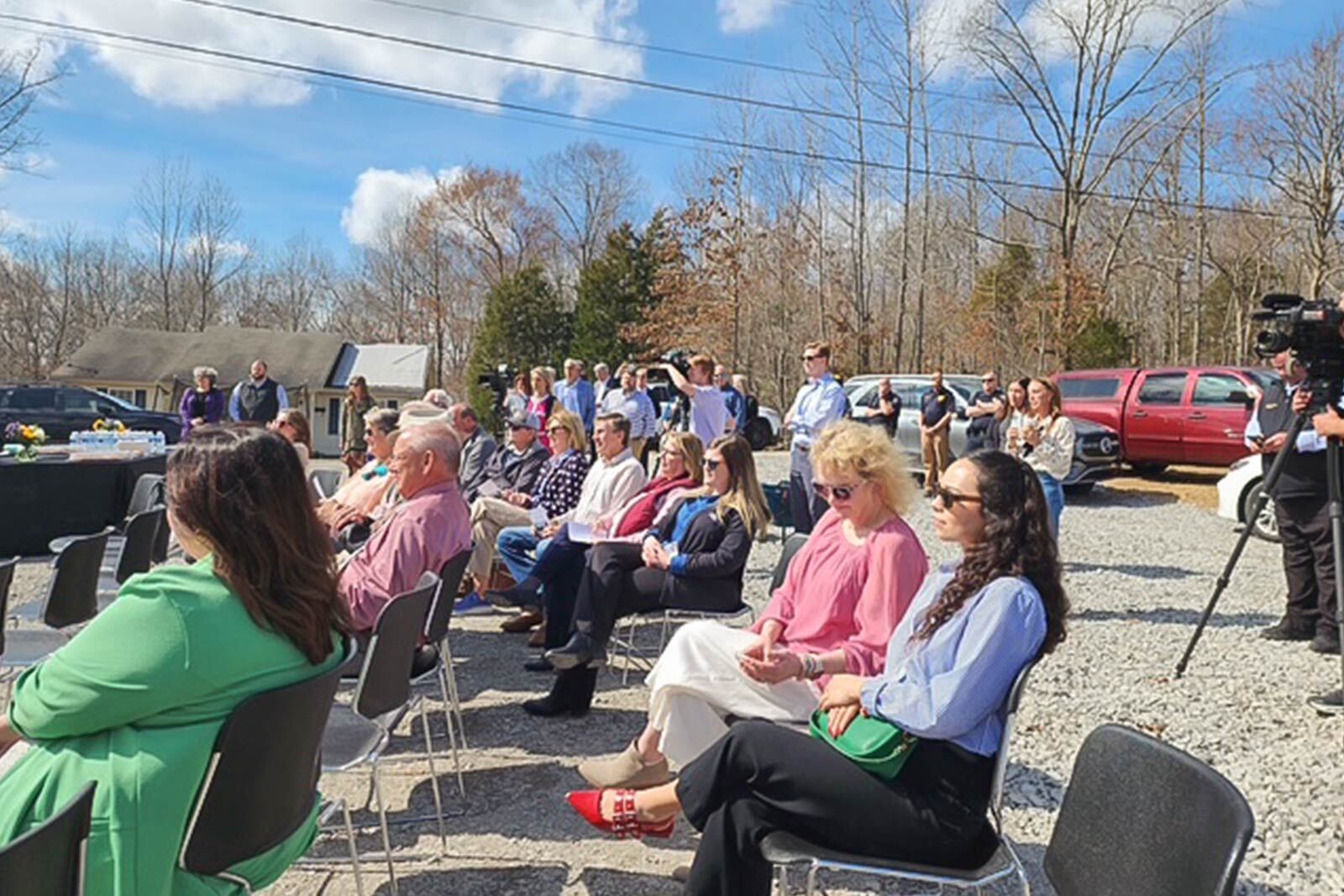
The Cherry Hill Apartments development isn’t just about quality housing. The development is designed to support daily life and connection. Planned amenities include a community center, clubhouse, playground, and computer room. Individual apartments will feature energy‑efficient appliances.
A Model for Disaster Recovery and Resilience
That means Cherry Hill Apartments stand for more than new construction. It is a visible sign of recovery, a commitment to community, and a renewed sense of hope for families who are finally able to move forward — safely, securely, and at home.David Payne, head of Originations for Regions Affordable Housing
The effort has drawn attention on a regional and national scale as a model for how communities can rebuild after disaster. By combining thoughtful site selection, long-term affordability, and strong public‑private partnerships, the development proves how recovery efforts can both restore housing and strengthen resilience.
And Regions is proud to play a role. As David Payne, head of Originations for Regions Affordable Housing, remarked, “That means Cherry Hill Apartments stand for more than new construction. It is a visible sign of recovery, a commitment to community, and a renewed sense of hope for families who are finally able to move forward — safely, securely, and at home.”